Prepare01
Land preparation
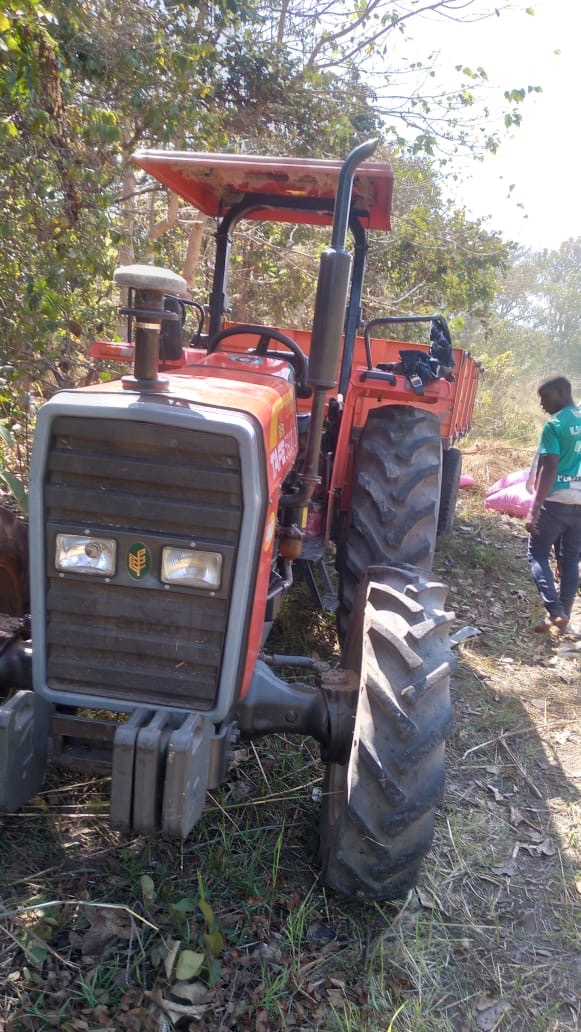
Access to tractors, tillers, labor, and other resources needed to prepare farmland.
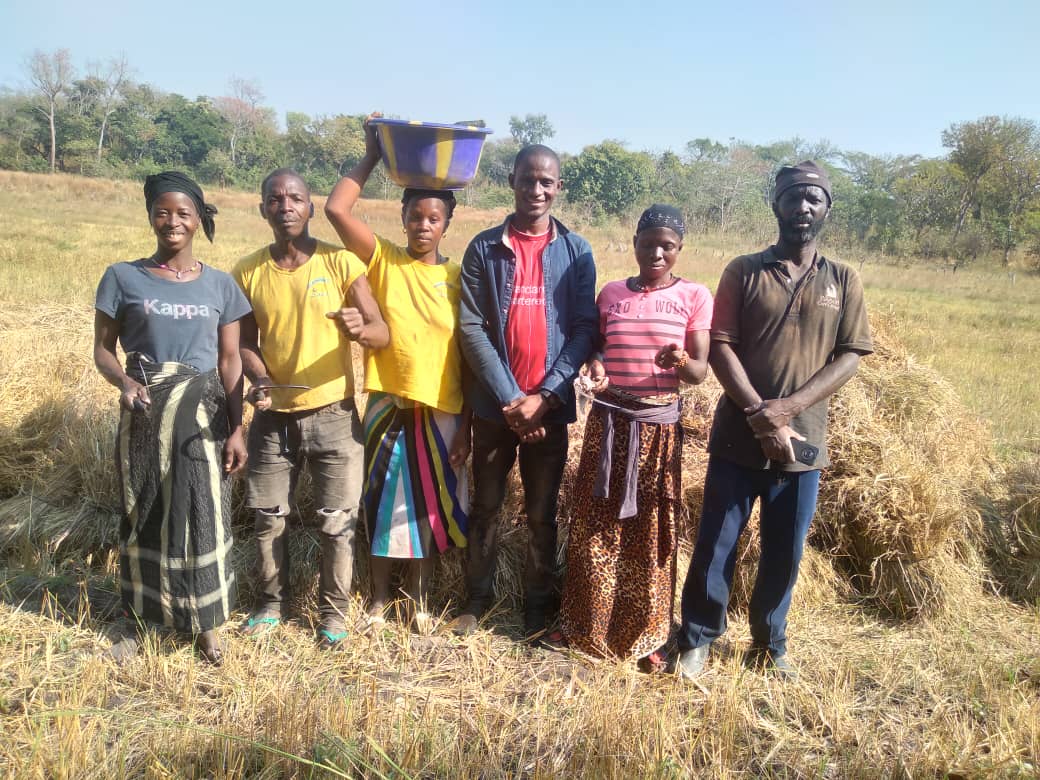
Empowering rural women through agriculture.
For many rural families in Guinea, agriculture is more than a source of food—it is one of the most important paths toward income, independence, and a more secure future.
Many rural women depend on small-scale agriculture to provide food and income for their families. Yet access to land alone is often not enough.
The cost of seeds, agricultural equipment, land preparation, labor, harvesting, and processing can prevent families from cultivating their land effectively.
These challenges can be particularly difficult for widows, women supporting several children, women affected by early marriage, and households with limited sources of income.
Before FAKOLI was formally established as a nonprofit organization, its founder began personally supporting agricultural activities in communities in Guinea. Over approximately four years, these grassroots efforts have helped around 230 families in Faranah, Forécariah, and Coyah access resources needed to cultivate their land.
Support has included helping families obtain seeds, rent agricultural equipment, hire agricultural labor, and meet other practical cultivation and harvesting needs.
Transparency note: These figures represent approximately four years of grassroots activity, including work undertaken before FAKOLI's formal incorporation as an Oregon nonprofit in 2025.
Access to tractors, tillers, labor, and other resources needed to prepare farmland.
Seeds and other essential resources required to begin cultivation.
Practical help overcoming labor and equipment barriers during cultivation.
Timely access to labor and equipment when crops are ready.
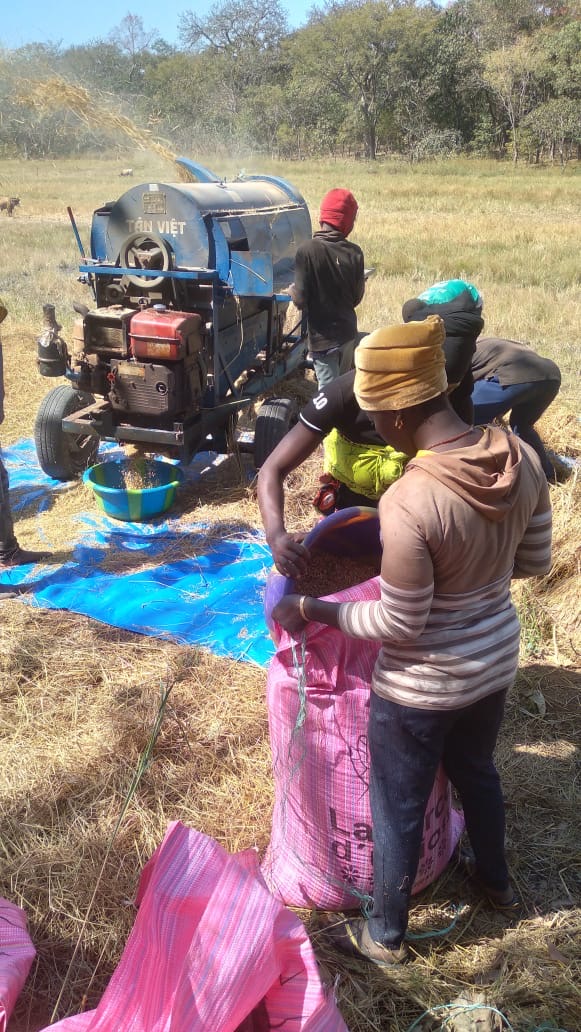
Threshers and other equipment that help communities process crops efficiently.
More food for families, with opportunities to sell surplus and reinvest income.
Additional crops and agricultural activities vary by community and growing season.
Until now, much of our agricultural support has depended on renting equipment when farmers need it.
FAKOLI's long-term goal is to build a pool of agricultural equipment owned and managed by FAKOLI for shared community use.
Rather than giving expensive equipment to individual farmers, participating farmers would have access based on agricultural needs, farming schedules, and established program guidelines. This model allows one investment to benefit many families across multiple farming seasons.
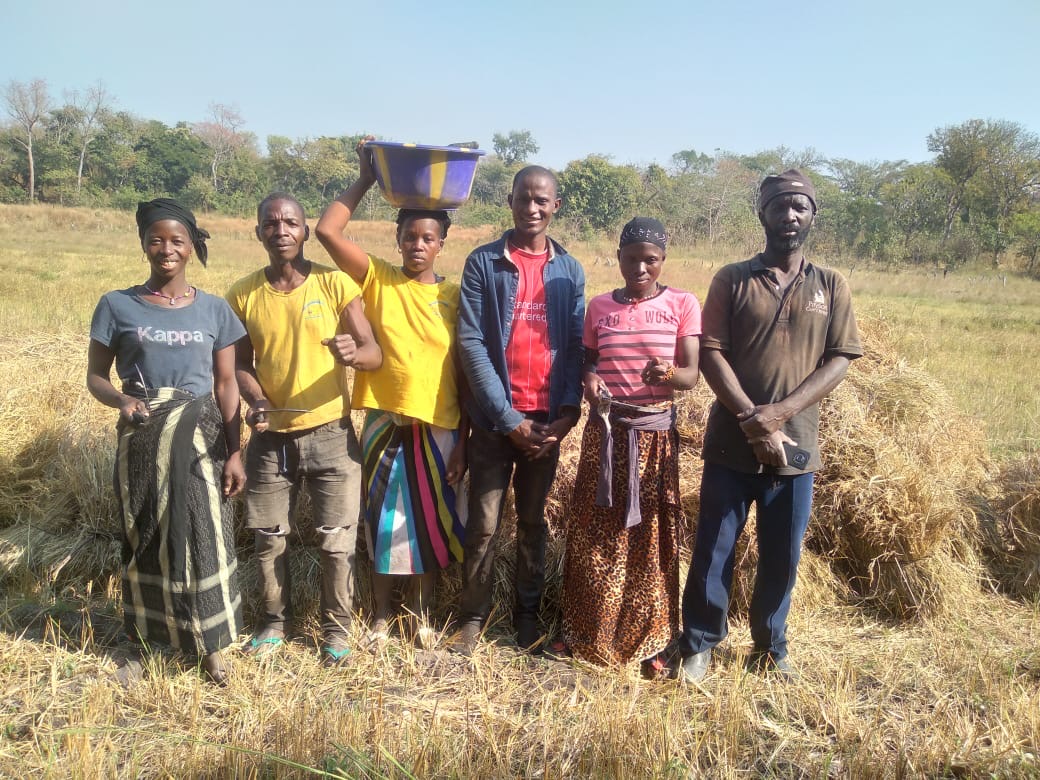
FAKOLI prioritizes economically vulnerable rural women and families, with particular attention to widows, women supporting children, women affected by early marriage, and households whose livelihoods depend heavily on agriculture.
Our goal is not to create long-term dependence on financial assistance.
We want to help women gain access to productive resources that allow them to produce food, generate income, support their children, and build greater economic independence.
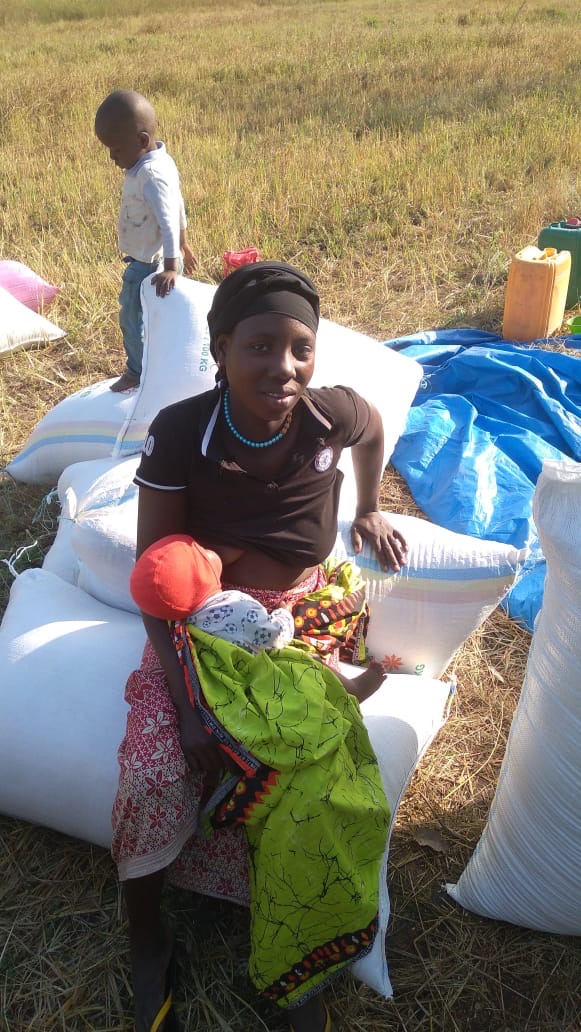
FAKOLI is transforming years of grassroots agricultural assistance into a structured Agriculture & Economic Opportunity Program. Our next phase will expand the number of women served, improve access to agricultural inputs, and develop a shared equipment program that reduces dependence on expensive rentals.
Seeds, cultivation assistance and agricultural labor.
Acquire tractors, tillers, threshers and other equipment identified with participating communities.
Help farmers increase production, strengthen food security, sell surplus crops and generate sustainable household income.
FAKOLI welcomes partnerships with individuals, companies, foundations, agricultural organizations, equipment providers, nonprofits, and community organizations committed to sustainable economic opportunity.
Support seeds, equipment rental and agricultural labor.
Help FAKOLI acquire equipment that can serve multiple farming families.
Provide expertise, equipment, logistics, training, technology or financial support.